Ember Leash Basics
Ember Leash Basics
Skylar McClellan, CPDT-KA
$99
COURSE LESSONS
Make training
make sense.
Learn how dogs learn, build a shared language, and discover how a few simple skills can help you teach all sorts of things you haven't even thought of yet.
Positive reinforcement · Practical foundations · Your own pace
An approachable course from Ember Leash Dog Training, taught by a Certified Professional Dog Trainer, Knowledge Assessed (CPDT-KA).
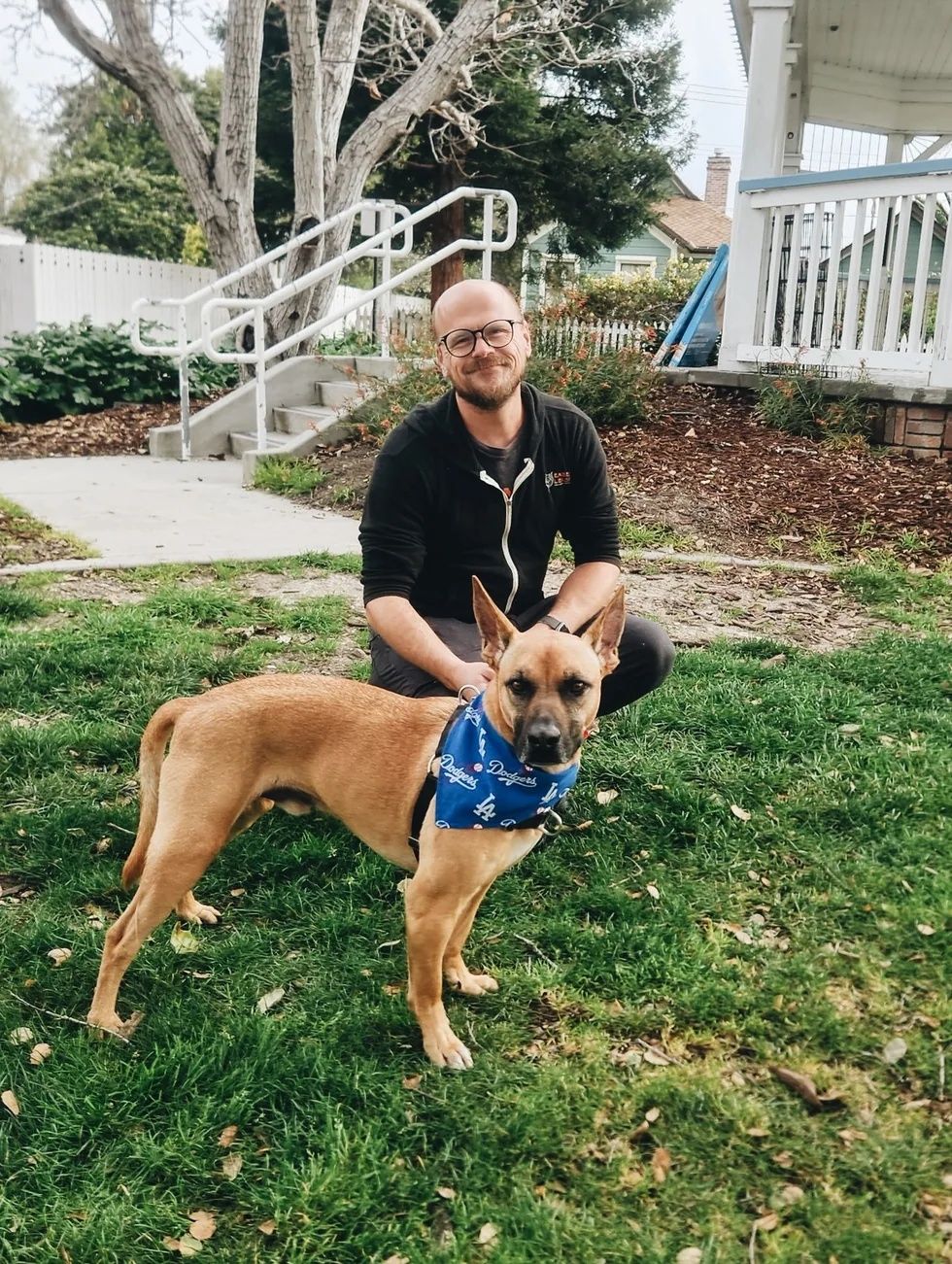
Real dogs. Real life. Real practice.
The Ember Leash approach
I want you to finish this course knowing how to teach your dog something I never actually showed you how to teach.
Three little skills. A surprisingly big toolbox.
01 / TOUCH · MOVE WITH PURPOSE
Touch
One target. Lots of destinations.
02 / LEAVE IT · CHOOSE TO DISENGAGE
Leave It
Make a better choice worthwhile.
03 / STAY · BUILD DURATION
Stay
Little by little adds up.
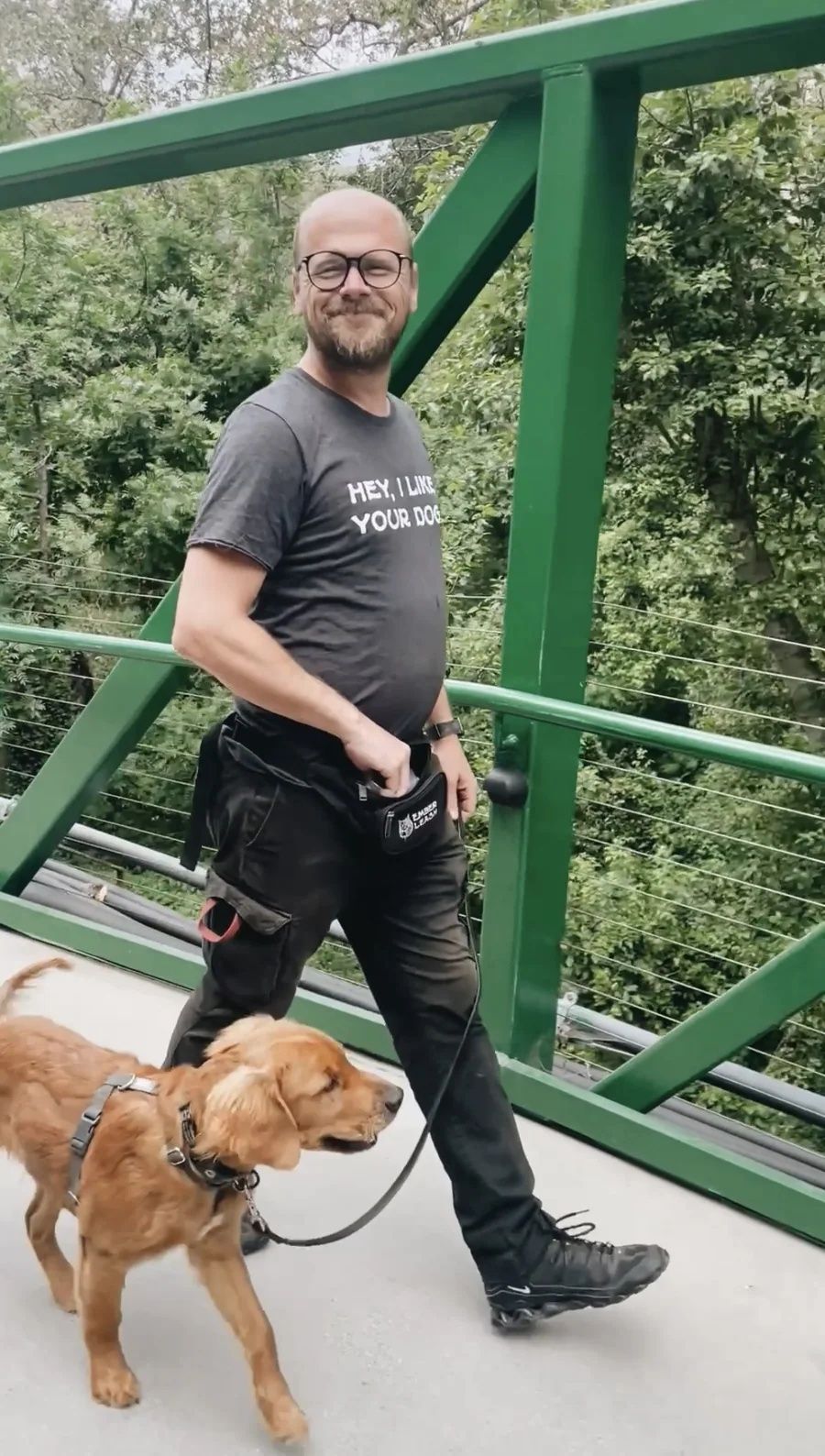
Take the skills with you
We'll practice making these skills useful during walks, greetings, and the ordinary moments when you'd like your dog to know what you're asking. We will also talk about making those moments easier, so your dog has a fair chance to succeed.
Recall
Greetings
Movement
Waiting
Untraining unwanted behaviors
-
Jumping, barking, grabbing socks, and counter surfing all accomplish something for your dog.
-
Sometimes the payoff is obvious. Sometimes it takes a little detective work and a suspicious look at the treat jar.
-
We'll revisit the behaviors you noticed during Orientation and learn how to prevent rehearsal, figure out what's reinforcing them, and teach better options.
-
The goal is a practical way to approach new challenges with the tools you've already learned.
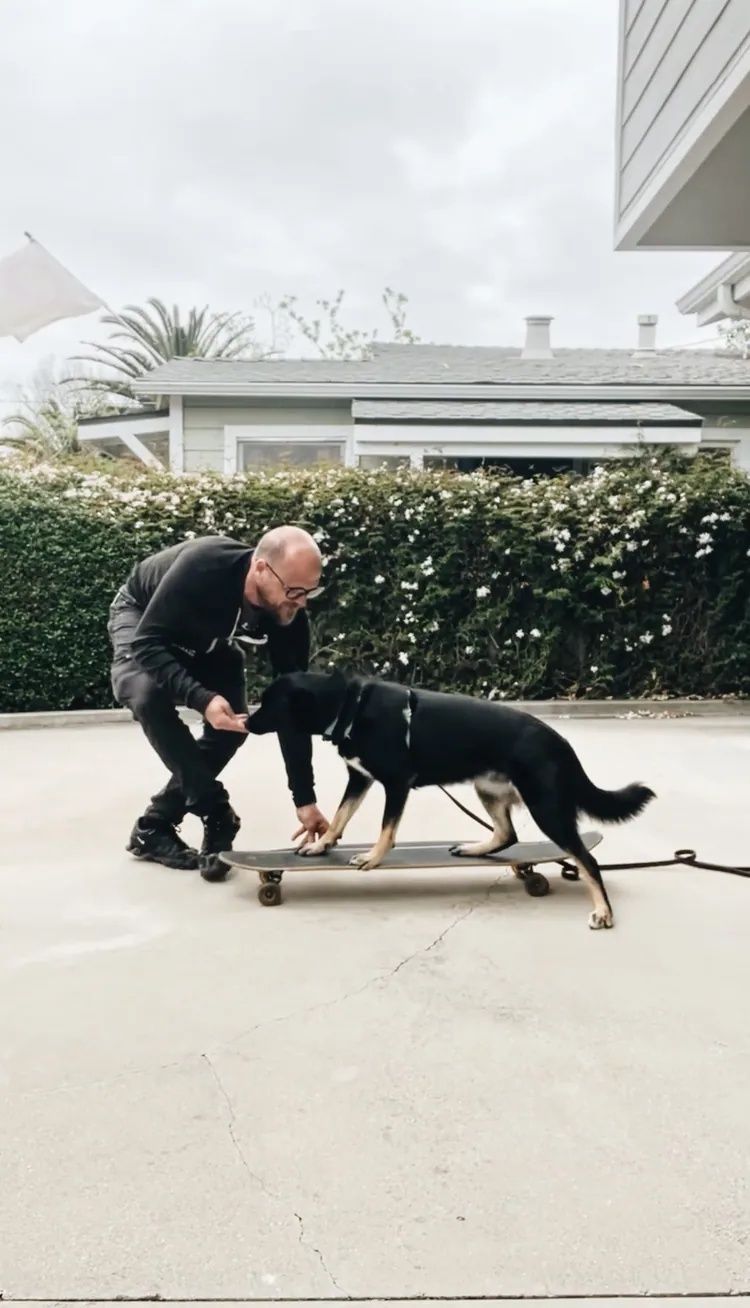
Watch it.
Understand it.
Try it.
Teaching Touch / 2 pages
Clear instructions for practice
Room for your dog
01 / GET ORIENTED
02 / SEE IT
03 / TRY IT
04 / KEEP BUILDING
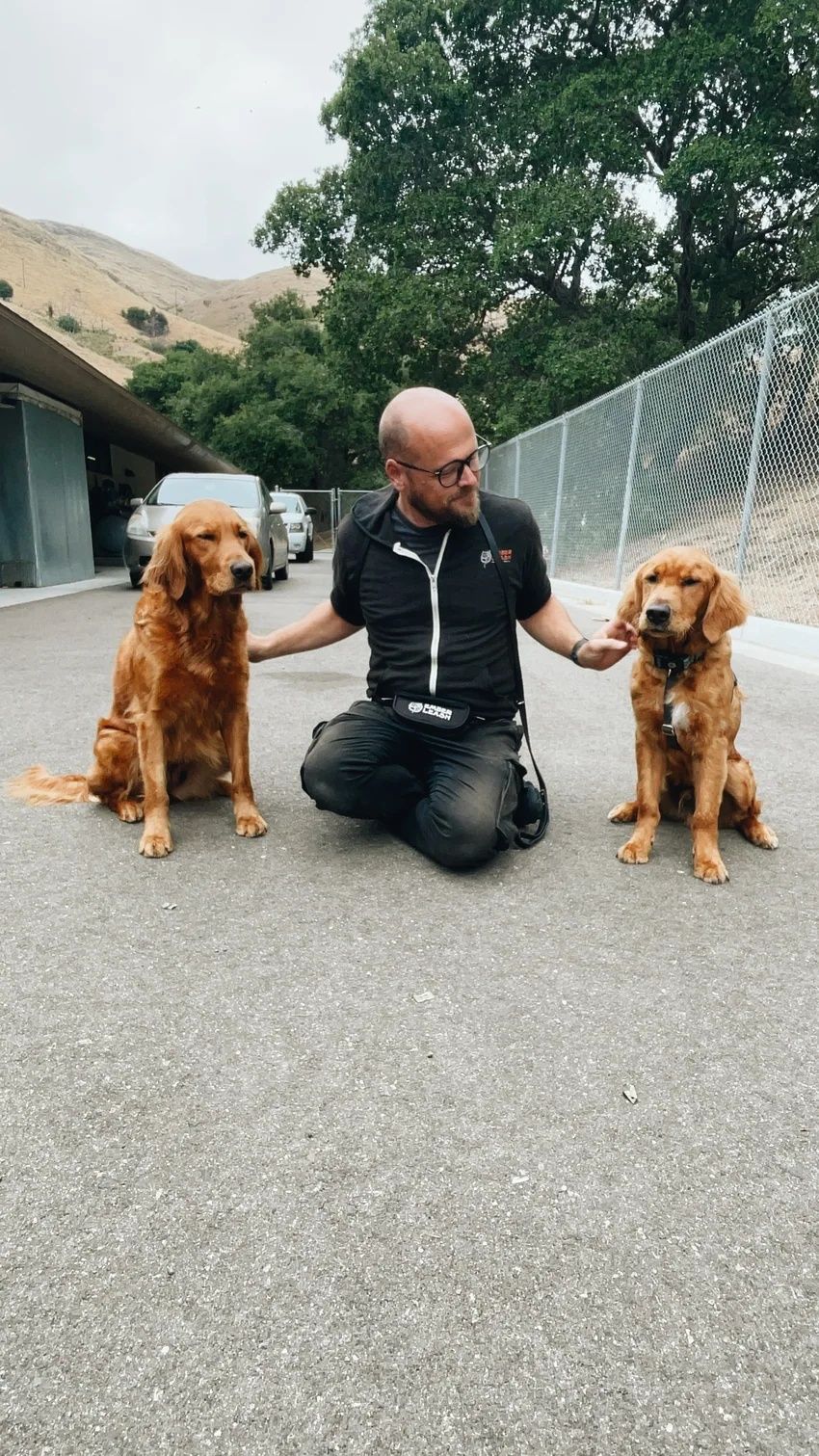
Hi. I'm Skylar.
I'm the founder of Ember Leash Dog Training and a Certified Professional Dog Trainer, Knowledge Assessed. Before building Ember Leash, I spent years working with shelter dogs and the people who love them. I've learned that good explanations can make a pretty remarkable difference at both ends of the leash.
I built Ember Leash Basics around the pieces of training I find myself teaching again and again: clear communication, thoughtful management, useful foundations, and a little curiosity about the dog in front of you. I want the process to feel approachable, even when your dog has opinions about your lesson plan.
Train humane. I'll see you halfway there.
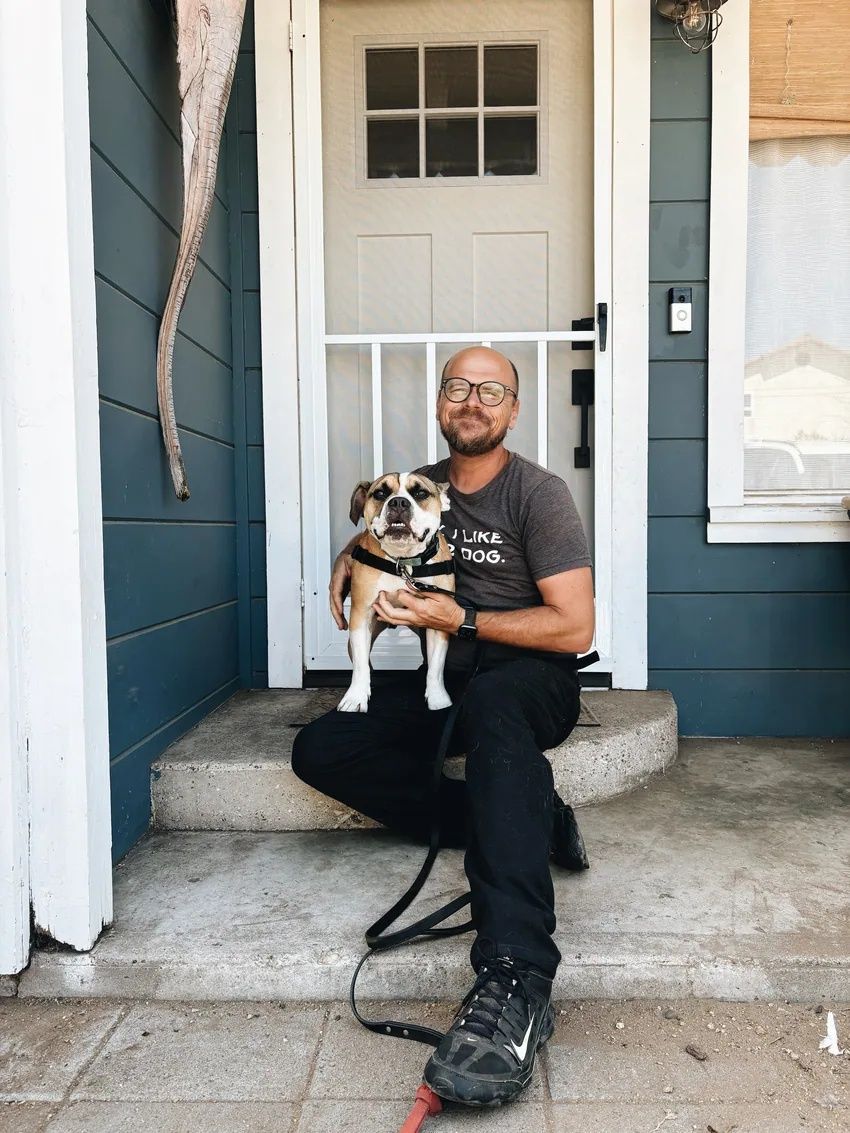
Skylar McClellan / CPDT-KA
Is Ember Leash Basics right for you and your dog?
A good fit
For people who want a stronger foundation
You'll find approachable training exercises, clearer communication, practical ways to guide daily life, and a framework for figuring out what to teach next. The course works as a starting point for younger dogs and a useful refresher for adults, too.
Bring your curiosity, your dog's favorite rewards, and a willingness to celebrate small progress.
Some situations call for individual support
Serious fear, aggression, guarding, separation-related distress, or sudden changes in behavior deserve a personalized assessment. Pain or other medical concerns should be discussed with your veterinarian.
For support tailored to your dog, you can contact Ember Leash or find a qualified humane trainer through IAABC.
GOOD TO KNOWA few common questions.The practical stuff, before you fill your pockets with treats.
Do I need any training experience?
Will this work for a puppy or an adult dog?
How much time should I set aside?
Can I come back to lessons after finishing?
Will I receive a certificate?
What if my dog needs help beyond the course?
Let's meet them halfway.
Ready to begin? Start with a handful of simple behaviors, learn why they work, and build the confidence to teach what comes next. The learning can be wonderfully ordinary, a few minutes at a time, with your dog right there beside you.
$99
One-time course purchase
I'll see you halfway there.
Enrollment and payment take place through Ember Leash Academy.

Train humane.
Ember Leash Dog Training · The Academy · Back to top ↑